

Children’s Vision
Children do not always know when their vision is different. At Oculus Dexter Optometry in Spotswood, Melbourne, we assess how your child sees, how their eyes work together and their eye health. Expect thoughtful care, age-appropriate testing and clear advice for your family.
When should my child have an eye test?
Arrange a full eye examination before your child starts school, even if they seem to see well. Seek advice sooner if you have concerns or a family history of childhood eye conditions. During the school years, your optometrist will recommend a review interval suited to your child's vision and eye health.
Signs worth discussing with an optometrist include:
Squinting or struggling to see the classroom board.
Holding books or screens unusually close.
Frequent eye rubbing, tired eyes or headaches with close work.
Closing one eye, tilting the head or noticing an eye turn.
Blurred or double vision, or avoiding reading because it feels uncomfortable.
These signs do not necessarily mean your child needs glasses. An examination helps us understand what is happening.
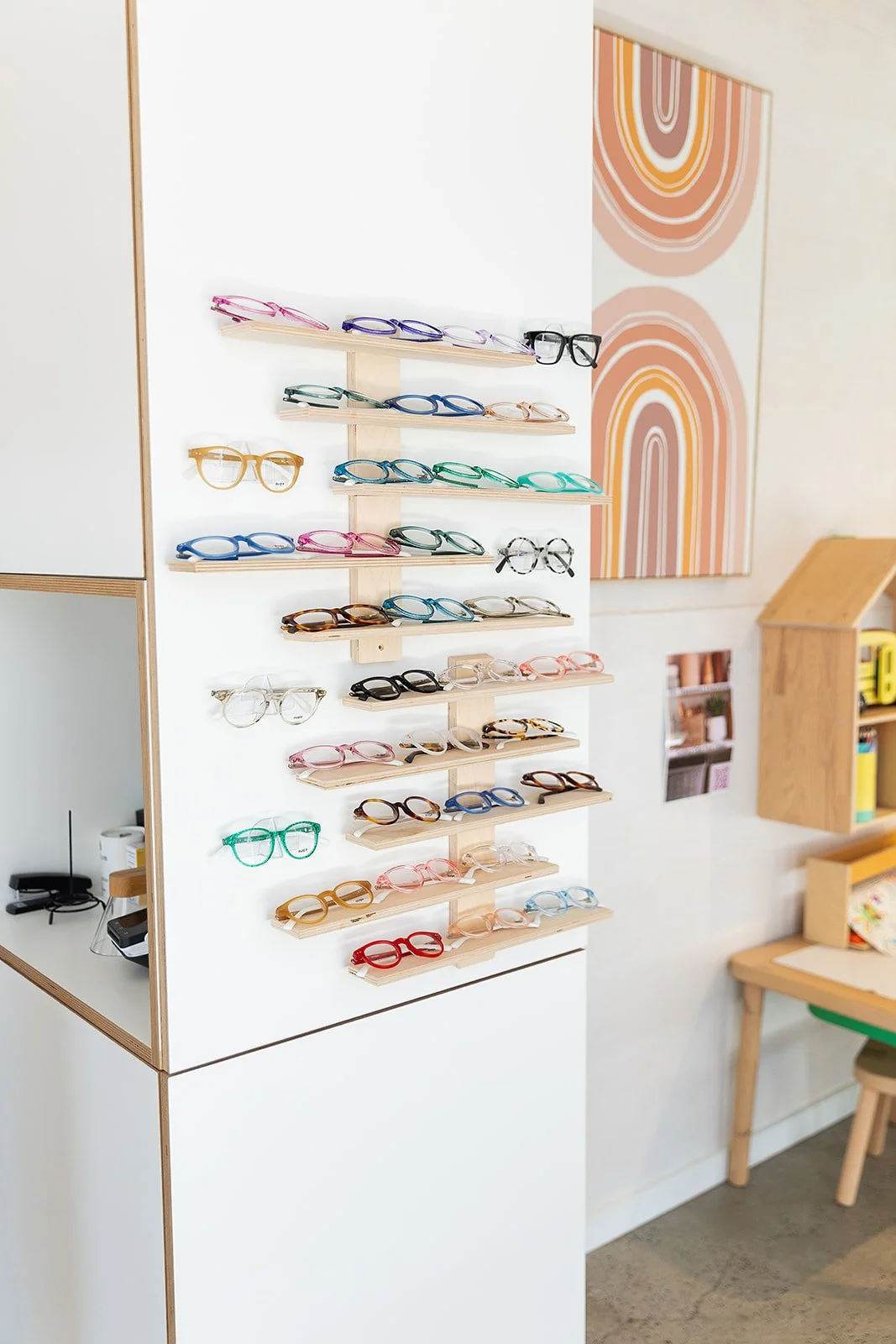
OUR DEDICATED KID'S SPACE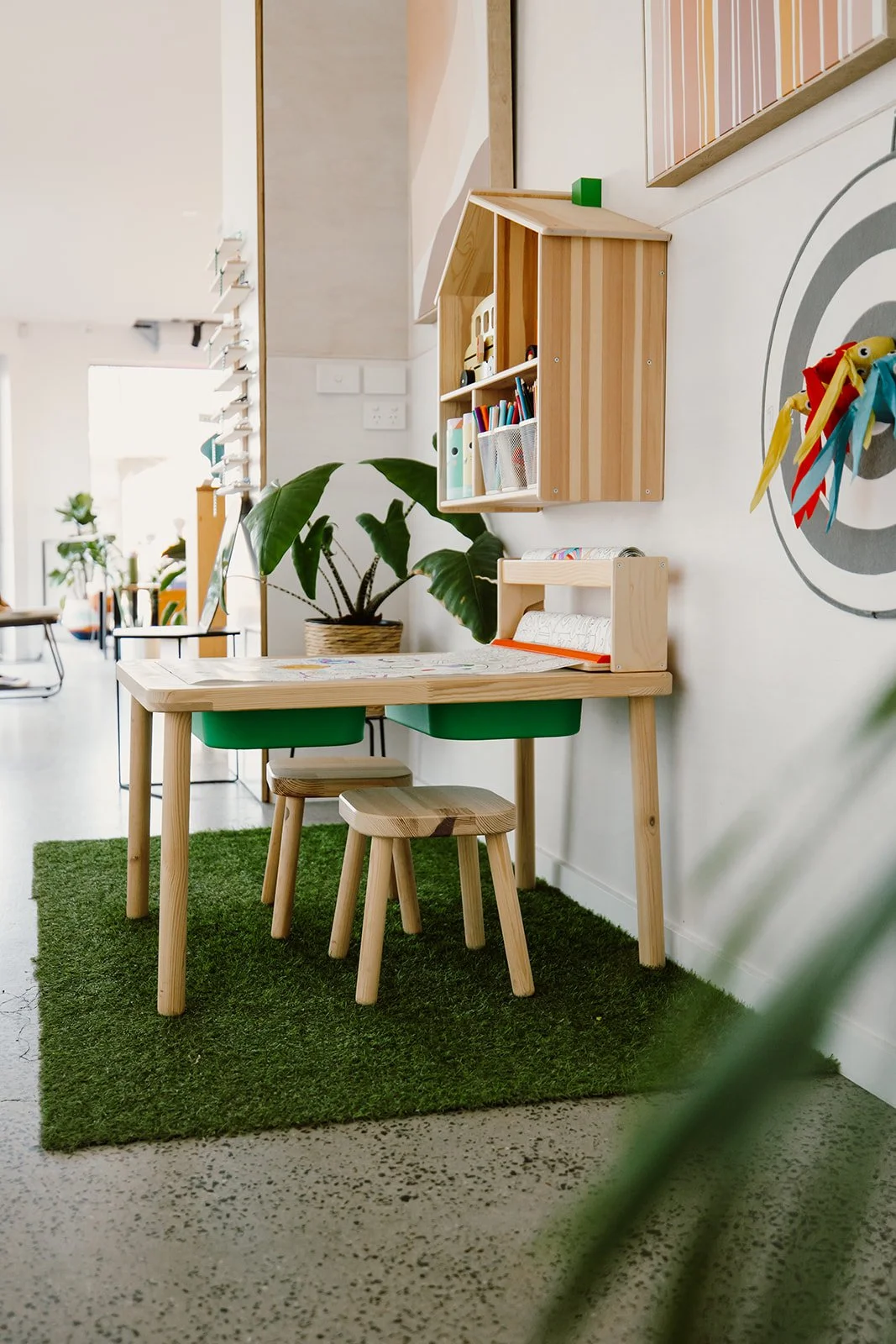
An eye test that works for your child
We begin by listening to you and your child, including any concerns from home or school. Children do not need to read letters to have their vision assessed: pictures, matching tasks and other age-appropriate methods can be used. We explain what we are doing and adapt the examination to their age and responses.
Tell us before the appointment if your child is anxious, has sensory or communication needs, or has found examinations difficult before. Knowing what helps them feel comfortable allows us to plan the visit together. We are a neuro-divergent friendly practice.
Clear vision, near and far
We check how each eye sees and whether short-sightedness, long-sightedness or astigmatism may be affecting vision.
Focusing and eye coordination
We assess how the eyes focus, move and work together for tasks such as reading and looking into the distance.
Visual development
We look for differences between the eyes and signs of a turned eye or reduced vision that may need treatment or further assessment.
Eye health
We examine the eyes using tests appropriate to your child's age, symptoms and findings. Any additional tests are explained along the way.
A team with an interest in children’s vision
With warmth, patience and a sense of fun, each member of our amazing team has a natural way with children of all backgrounds and personalities. We aim to help each child feel welcome, understood and at ease. We are a neuro-divergent and disability friendly practice.

Dr. Dean Garnett - Optometrist
Practice owner Dean has a keen interest in children's vision and has undertaken further training in behavioural optometry. Dean’s warm, patient approach has made him a firm favourite with local families and online groups.
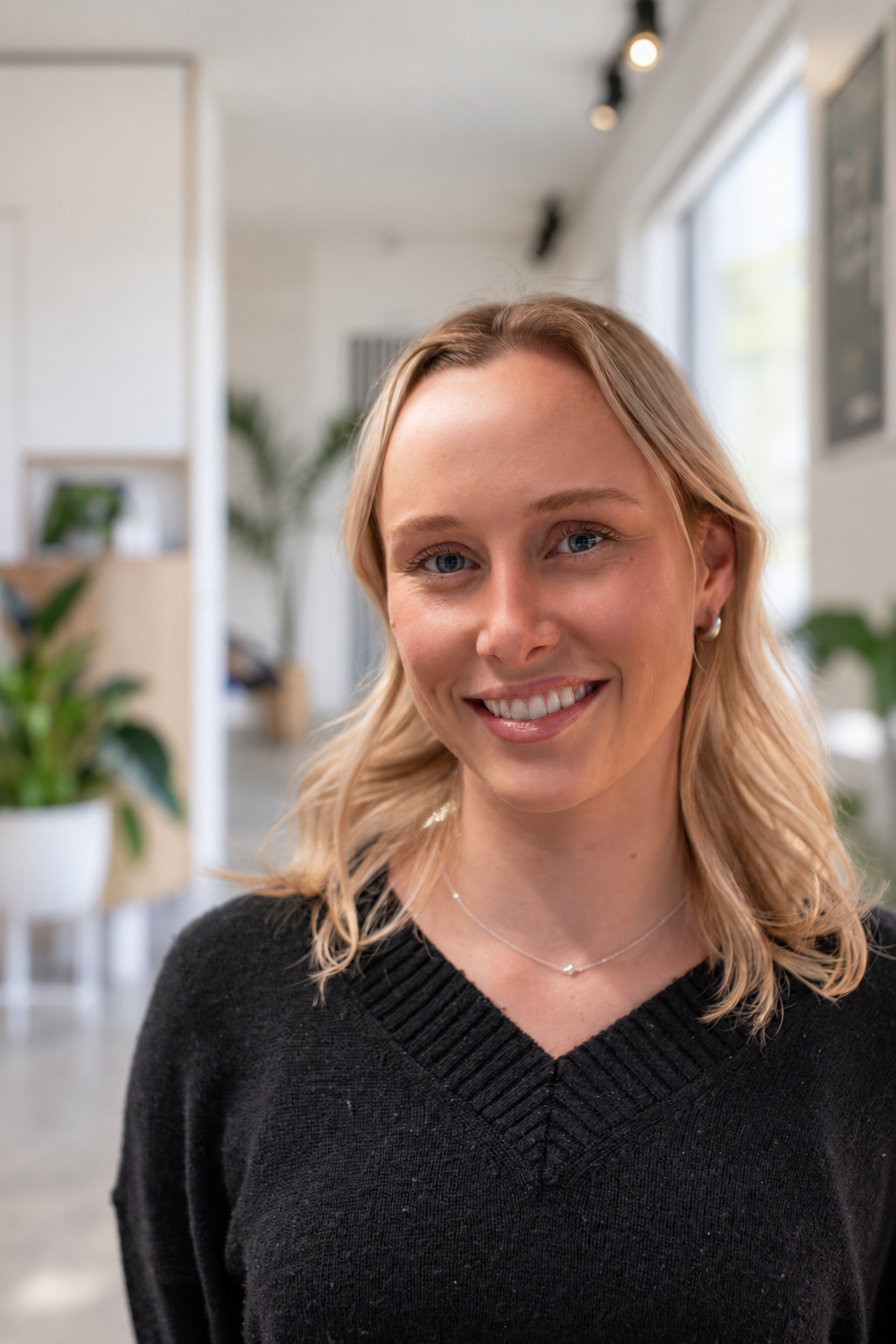
Jamie Atkinson - Optometrist
Jamie has worked alongside paediatric ophthalmologists and has a particular interest in children's eye care, myopia control and binocular vision - how the two eyes work together.
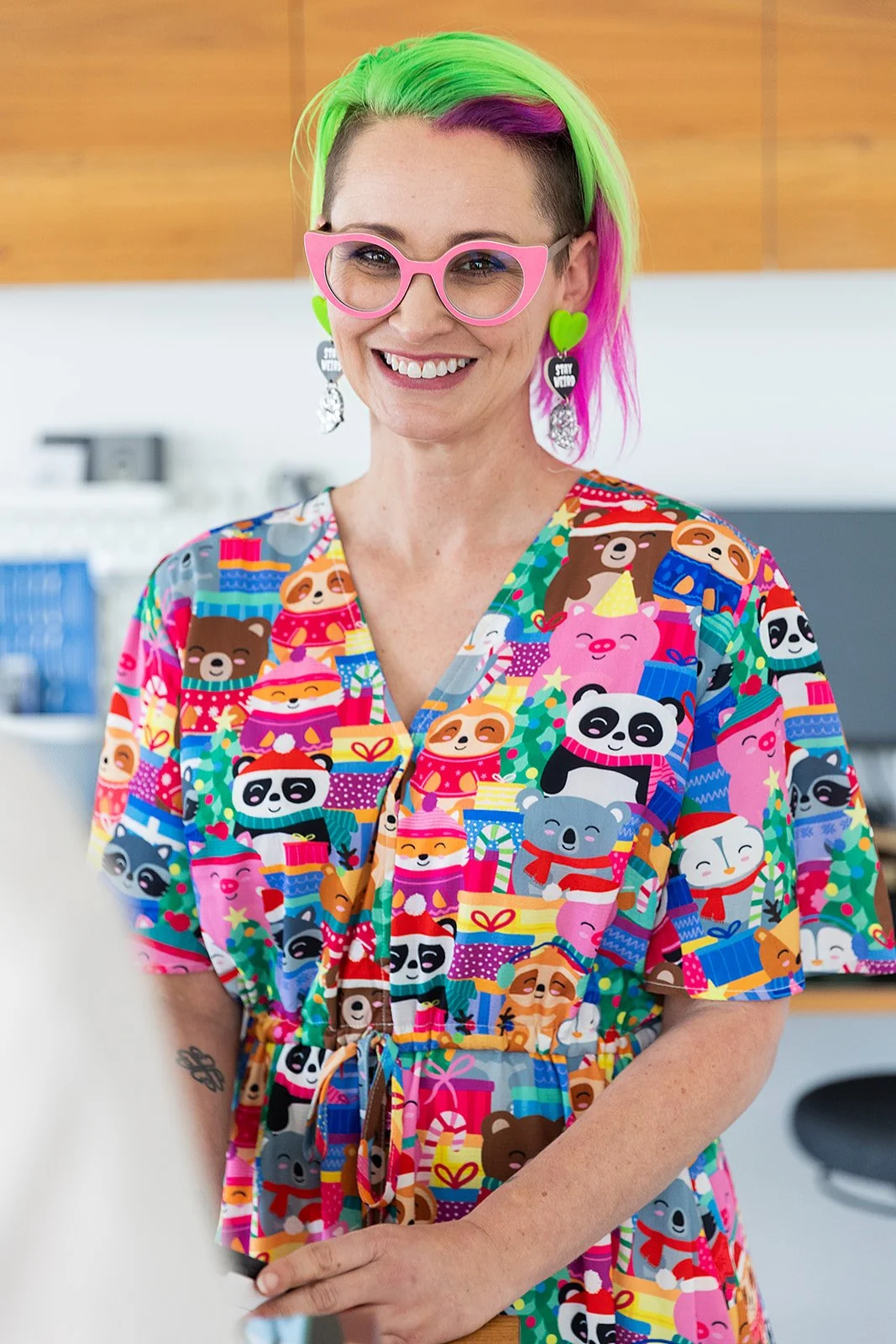
Jacinda - Optical Dispenser
Jacinda brings an extensive background in public health and is studying a Certificate IV in Optical Dispensing with the Australian College of Optical Dispensing. A local parent herself, she’s the friendly face who welcomes your family and sees you off at the end of your visit.
Short-sightedness in children (Myopia)
Looking beyond a stronger prescription:
Short-sightedness, or myopia, makes distant objects look blurred. It often develops during childhood and can increase as children grow. If your child's prescription is changing, it is worth discussing both clearer vision now and how to manage that change over time.
Correcting blur and slowing myopia progression are different goals. Certain specialised spectacle and contact lens designs can help slow progression in suitable children. Your optometrist can assess your child's vision and discuss a management plan or referral, including the benefits, limitations and follow-up involved. Myopia is not reversed by treatment, and results vary.
Everyday habits matter too:
Encourage regular breaks from close work and, where practical, around two hours of sun-safe outdoor time each day. Outdoor time can reduce the risk of developing myopia; it does not replace assessment or treatment for a child who is already short-sighted.
Clear advice, and a plan for what comes next
An eye test does not automatically lead to glasses. We explain the findings, what needs attention and when to return. Depending on your child's needs, the next step may be glasses, management of a specific vision problem, monitoring or referral to an ophthalmologist or another health professional.
When glasses are recommended, fit matters as much as appearance. We can help you consider frame fit, lens needs and everyday practicality, with advice on when the glasses should be worn. There is time to ask questions, so you and your child understand the next steps.
Good to know…
-
A screening is a useful check, but it is not the same as a full examination. It may not assess focusing, eye coordination or eye health in the same detail. A full eye examination is recommended before school, and concerns should be assessed even after a screening result is normal.
-
The right interval depends on your child's age, findings and any treatment or changing prescription. We will recommend when to return. Children with myopia or another vision condition may need closer monitoring. Contact us sooner if new symptoms appear.
-
Bring any current glasses, previous prescriptions or eye reports, your Medicare card and a list of medicines. Notes from a teacher or health professional can also help. Let us know what you have noticed and what helps your child feel comfortable in an appointment.
-
The time needed depends on your child's age and the assessment required - but generally you can confidently book a 30 minute appointment. Tell our team about your concerns when booking so we can advise further, including any additional time if eye drops or further testing are needed.
-
No GP referral is needed to book an optometrist appointment. If another health professional has given you a referral or report, please bring it with you.
-
Medicare may contribute to eligible children's eye examinations. Ask our team about the appointment fee, any available rebate and additional testing costs when booking. Medicare does not cover glasses or contact lenses; private health cover may contribute depending on your policy.
-
Yes! If your child has optical extras cover, you may be able to claim towards prescription glasses or contact lenses. Benefits vary between health funds and policies, so check your available optical cover with your insurer.